A little while back I announced to my writers’ group, surprising us all, that I was done with memoir. Having published two, most recently Mother Shadow, I’d decided that a third –something I’ve been working on since 2020, a book that means a great deal to me – was not worth the emotional and moral angst.
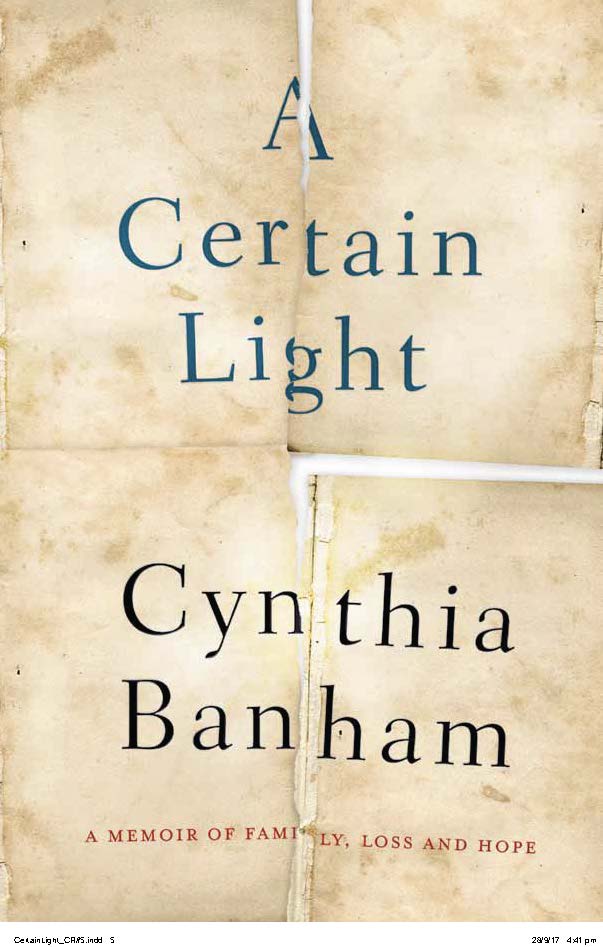
Writing memoir has helped me to process trauma. In my two books (A Certain Light was the first), I’ve explored different parts of my Italian family’s history as a way of making sense of my life after surviving a plane crash with catastrophic injuries. Trauma can make you feel isolated, singled out, and writing family memoir has made me feel less alone.
For all that, writing and publishing these books has come at a cost. There’s the personal cost, associated with exposing and then having to talk publicly about intimate details of my life. There’s also the cost of dragging other family members, living and dead, into the public realm. The truth is, sometimes writing memoir feels selfish – knowing it’s not just my story I’m making public. The professional feedback on that third memoir, which was not directly about family, but was more about creating a wilder garden in the face of ecological catastrophe, was that I needed to inject more of the personal, more family relationships, into it… Right now, that feels too hard.
Writing is a dangerous act. We all know this; it’s why PEN International exists. Heck, even writing this blog about the dangers of writing memoir feels dangerous. The emotions are still so raw.
With memoir, you can never predict who will take offence; often, it’s not who you expect it to be. I don’t know where I first read this, but it has stayed with me because it is true. I thought it might have been in Mary Karr’s The Art of Memoir, but could not locate the precise quote, though I did find this: ‘In some ways, writing a memoir is knocking yourself out with your own fist.’
Writing memoir, you have obligations that don’t apply to writing fiction. The sense of moral duty weighs heavily – towards family, readers, oneself – to tell the most truthful story you can without causing unnecessary hurt. I tried to balance these moral duties in both books and, at times, failed.
A single sentence about a deceased relative in my first memoir, one that wasn’t central to the narrative and perhaps, with hindsight, I handled too flippantly, caused a family rupture that has never been resolved. It caused minor grief to me, but more to other members of my immediate family. That it continues to do so I was reminded of a couple of weeks ago, when a sibling received a text message from a distant relative to the effect that ‘X and Y still haven’t forgiven Cynthia for her book’.
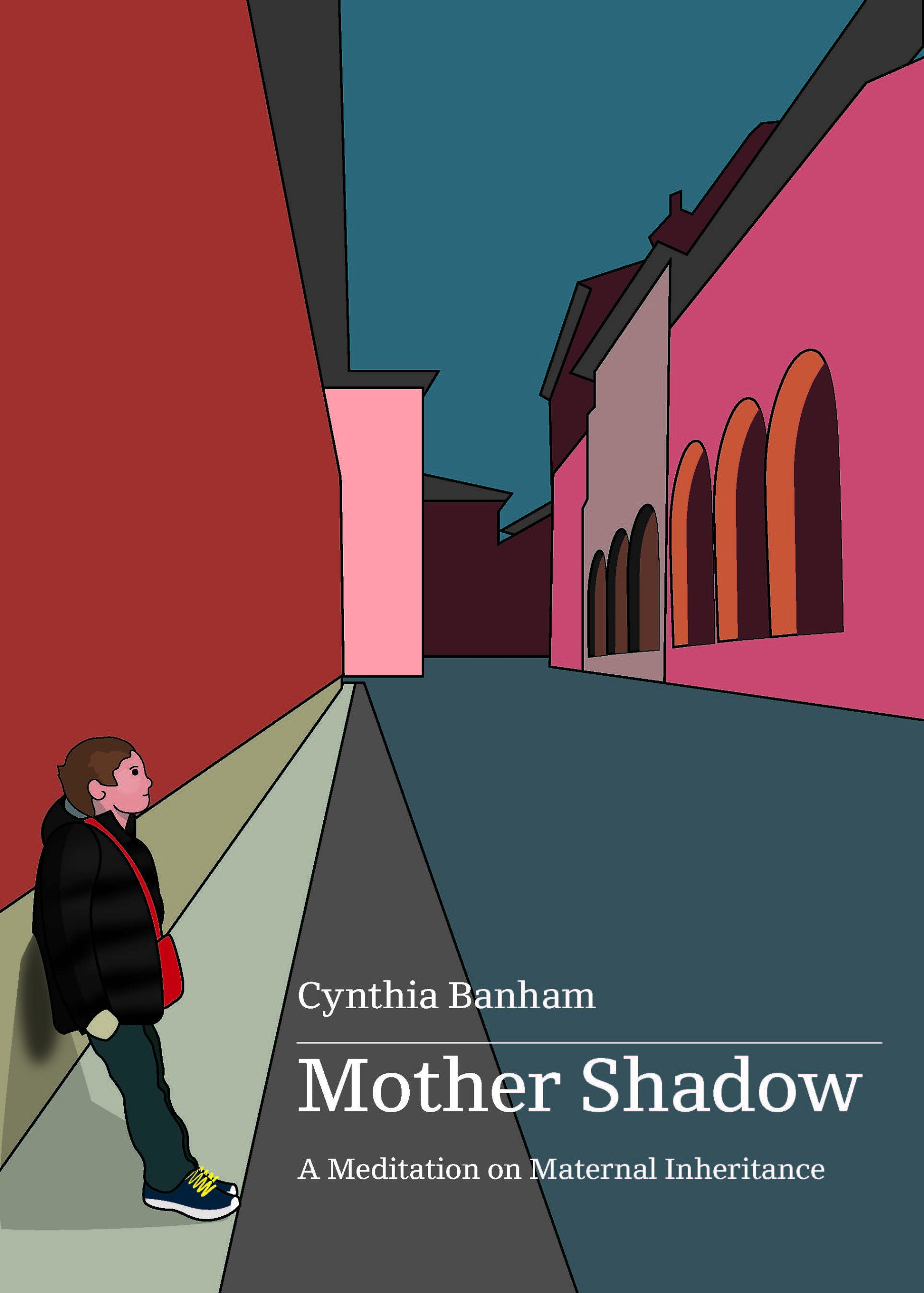
With my second memoir, Mother Shadow – well, the grief this time was very personal. The book deals with the subject of maternal inheritance, the premise being that we, mothers, inherit the pain of the mothers who came before us, and that their pain influences how we are mothered and how we mother. The heaviest thread there was the hypothesis put to me by an anthropologist in Bologna, where I was researching why my great-great grandmother gave up her daughter to a foundling home, that she may have been raped by a family member. Again, unexpectedly, this was not where the hurt, drama, pain, regret, sprang from.
There was an incident in our family history which I felt was integral to the book and wanted to include. The discoveries I made in the course of researching Mother Shadow, most importantly the fact that my great grandmother was a foundling whose mother abandoned her and was not, as I’d been told all my life, an orphan whose parents died, shed new light, I thought, on this particular incident. I knew the incident still held pain for the person who first told me about it, so I asked them to read the manuscript. I promised that, if after reading, they still didn’t want me to include the incident, I would remove it. Even though without it, I felt the memoir would lack integrity.
I wrote about the incident in question in the plainest, most quiet, way I could, underplaying its significance in the hope I could include it. But when that family member read it, they became greatly distressed. They said some things that cut me deeply. They felt I had betrayed them and refused to read the second half of the manuscript. This meant they never saw the emotional arc that underpinned the book: the transformation in how I felt about motherhood as a mother with disabilities, constantly plagued by fears of my inadequacies. My learning that there is a liberation that comes with forgiving our mothers, and ourselves as mothers.
Having made that promise I took the incident out. Writers I know told me I was mad to do it. It was my family too, they argued, leave it in.
One friend recommended a book, Artful Truths: The Philosophy of Memoir, by Helena de Bres. In there, I found all the justification I needed to keep the incident in. De Bres writes about the ‘relay stories’ that ‘originate in the life of one person and are passed on to someone else’. These stories may begin as one person’s but become another’s.
Think of the stories about their own earlier lives that parents tell their children. These stories, especially if they involve intense or traumatic experiences, can become part of their children’s understanding of who they themselves are and where they come from.
In such cases, De Bres writes, it seems inappropriate for the originator of the story to claim exclusive ownership.
I saw myself in De Bres’s description of the relay story: this incident, which I didn’t personally experience, without question helped me to better understand who I am and where I come from. And yet I couldn’t break the promise. As a result, the book is incomplete.
But then again, what memoir is ever otherwise? Memoirists make choices about what to include and what to leave out all the time. It would be dishonest if I didn’t admit that there are stories about myself, ones I personally experienced, that are arguably relevant to the book, which I omitted, because – for whatever reason – I don’t want people to know about them.
The irony about writing Mother Shadow is that, from my family member’s reaction, I learnt deeper truths about them than I ever would have otherwise. Writing this memoir taught me something profound about shame that I never understood before – how deeply it can run, how crippling it can be, how it can stop you living the life you would like to live, having the relationships you would like to have. Ultimately, unexpectedly, through their response, I got the answer to a question I had been interrogating in the memoir about our own relationship which I would never have gotten if I hadn’t initially put that painful incident in there.
The truth is that even though my relationship with that family member is forever altered by this experience, I feel more compassion for them now. I know that I’m able to love them more deeply than I was ever able to before – even if they don’t feel the same. It seems possible that, in writing Mother Shadow, a pattern in our maternal line has been disrupted, and a kind of healing has resulted which will be passed on to the generations who come after ours.
In other words, while writing family memoir has come at a cost, good has come of it too. I may yet return to that third book one day. For now, however, I’m trying my hand at fiction.
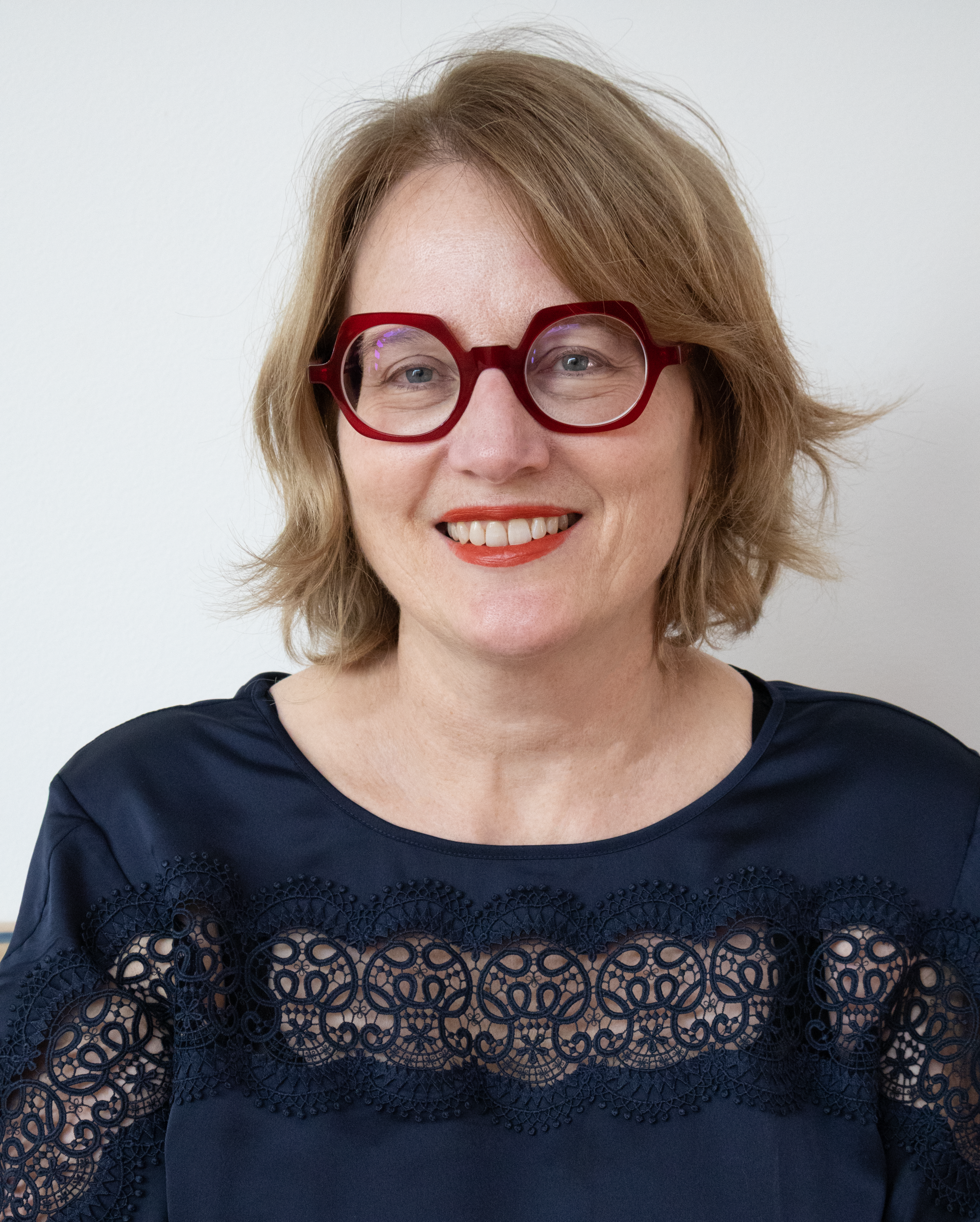
Cynthia Banham is a writer, journalist and lawyer. She is the author of three non-fiction books. Liberal Democracies and the Torture of their Citizens was based on her PhD. A Certain Light: A Memoir of Family, Loss and Hope, was shortlisted for the Prime Minister’s Literary Awards. Her most recent book is Mother Shadow: A Meditation on Maternal Inheritance, published by Upswell. She is currently working on a historical novel. When she is not writing, she is down by her frog pond, looking for tadpoles.



What an emotionally raw, honest piece – nothing less expected from Cynthia – identifying the exquisite pain that can result from writing memoir. Brava and thank you.
Dearest Annie, so glad Cynthia’s essay resonated with you so! You should also write one for my blog x
Dear Annie, thank you for your lovely words x
This is a fascinating behind-the-scenes look at writing memoir, thoughtful and aching. Thank you Cynthia.
Kathy, I’m looking forward to YOUR memoir 🙂
Thank you Kathy, such lovely words x
A beautiful meditation on writing memoir, integrity, ethical decision making and family fractures. Writing memoir is bold; taking a new direction in writing also requires courage, resilience, and wisdom.
Dearest Shannon, and you – such a brave and accomplished memoir writer – have the authority to say all this!
Thank you Shannon for your kind words x
Very interesting about the ‘relay stories.’ I wonder if people relay stories to each other and then expect them to be taken as ‘gospel’. But sometimes the memoirist breaks that mould and may thereby be committing heresy. But it is the truth for that writer or author, and simply needs to be said.
Thanks for your piece.
Margaret, I think heretics often speak the truth. Or at least their own truth, as you say!
Thank you Margaret for your thoughtful reflection on my post.
This is a very honest and powerful piece which makes me wants to buy Mother Shadow and read it straight away.
Please do this, dearest Sandra, it’s a wonderful book indeed!
Thank you so much Sandra!
Beautiful post. Thanks Cynthia and Lee.
So glad that you loved it as much as I did, dear Kate, and great to hear from you. x
What a wonderful insightful essay. Thanks for sharing your thoughts on memoir writing. I loved ‘A Certain Light’ & will definitely be reading ‘Mother Shadow’ & de Bres’ ‘Artful Truths: The Philosophy of Memoir’. Ahh, the joy of reading a piece that leads to more reading … Thank you both for putting this out there.
Dearest Jenny, thank you! You’ll love Cynthia’s new memoir, I’m sure. And I hope you’re still writing or finished writing your own compelling book.
Thank you so much Jenny, especially for reading A Certain Light, really lovely to hear this.
Cynthia, I remeber the raw emotion from that night time and also your exquisite writing in progress. Whatever you turn your hand to is written with elegant strokes, carrying emotional weight, and I look forward to reading your fiction next.
This is such a beautiful response to Cyntia, Bev! Hope your own novel is progressing very well.
Thank you Bev – I can’t wait to read your novel when you’re done x