My first memoir, SPLIT, was about how I came to terms with my diagnosis of dissociative identity disorder. How my system of alters and I coped with this reality, learning to live an authentic existence. I only touched briefly there on my life as a mother.
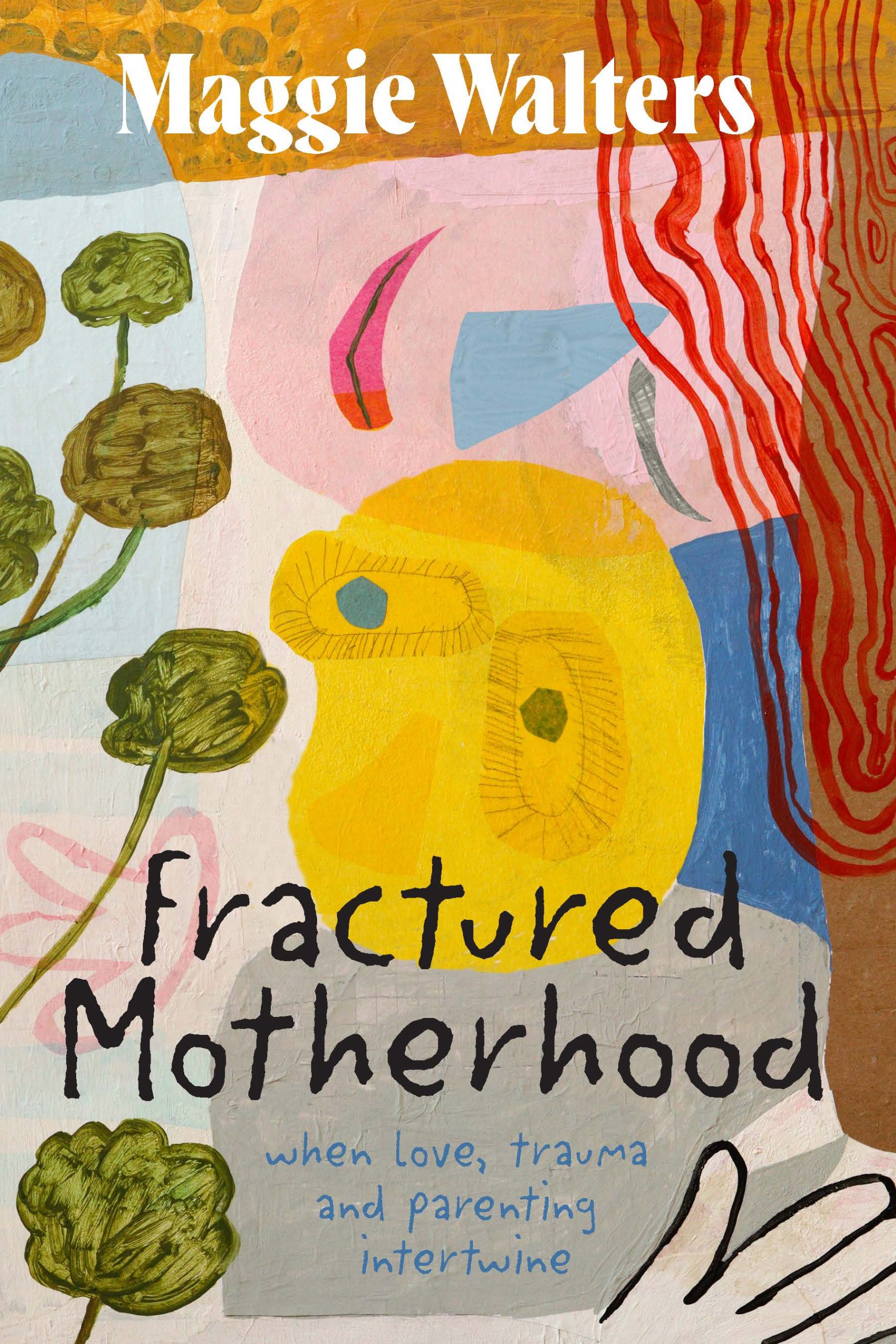
In my second memoir, Fractured Motherhood, I delved into my life as a mother of a daughter and two sons adopted from the Philippines. I craved writing something that was less confronting than SPLIT, a more joyful and intimate story of my desire to be a mother.
At the start of that book I shared this initial intent.
When I began, I intended this story to be a love letter to my children, about adoption and how we came to be a family. It was supposed to be a story about the fulfilment of my dream to be a mother and the not-so-linear story that brought us together.
I was equally determined this would not be a story of living with Dissociative Identity Disorder (DID) or Multiple Personality Disorder (MPD), as it was known at the time of my diagnosis.
… my intention instead was to tell a story about the beauty of our family’s origins, leaving my trauma behind. I mean really, what did my mental health have to do with raising kids?
I wanted to write something beautiful. Devoid of trauma.
I was naïve.
In that first draft, a story emerged which, at best, I might take to my local office supply store, print and bind as a testament for each of my children. It was sweet; starting from me falling in love with the country of their origin, and progressing to my desire to adopt and ultimately the joy of becoming a family.
It was, however, not honest. The process of adoption was painful and demoralising. To go back and tell its deeper truth meant I had to revisit the turmoil of my diagnosis, and how that shaped me as a mother. How some of my children’s behaviour, unknowingly, triggered me. And, too, how my relationship with my own mother created waves of cognitive dissonance between my fear of parenting and my need to be a mother.
Going back to the drawing board, I approached the story from an entirely different angle, becoming consumed by my origins, particularly by who my mother was. I embarked on researching her past: from her upbringing to meeting my father and, finally, having a family. I wanted to understand her, how she could allow my father to abuse me. I had to wrestle with an underlying question: would I repeat this trauma with my own children?
I also knew that to tell my story honestly would require an intimate exposure not just of my life but of my children. Could I put in place guideposts that would protect them, but still tell the truth of my lived experience?
In SPLIT, I used pseudonyms for my children. While anyone who knew our family would know who I was writing about, the general reading community would not. I decided to do the same in my second memoir.
But what about the story itself? When was I telling too much about my children? My story of motherhood was, of course, entwined with their life stories, which meant that if I pulled on one thread, removed one aspect belonging to my children, it could unravel the entire story…
So I did what all my writing mentors advised. Get the first draft written authentically, with all the thoughts and stories I wanted to include, and then go back and edit. My hope was that seeing my story on a page would help me know the boundaries I needed to find.
I took the stance that my children’s stories, and by extension their birth families’ stories, were their own. So when it came to sharing the story of reading their case reports from the orphanage, which outlined their then-development and included information about their birth families, I only shared those parts that illuminated my children’s distinct personalities. And, I retained the stilted English in the reports, with its distinctly Filipino voice, as I felt it was an important part of making the story singular.
As for Danny. He is very charming and accommodating to his caregivers or other adults familiar to him. He loves to kiss and hug them. But on strangers and visitors he seldom sees, he cries when picked-up. Danny is brave and fought those who hurt him. He is also protective of his brother. Once, Kyle was being hit by other toddler, when Danny saw what happened, he hit the kid who hurt Kyle and patted the back of his brother.
I had my own ethical boundaries, but how would my children respond to my use of the reports that revealed their early lives and experiences, even before they became part of our family?
In the end, I felt I needed their permission. I asked my children to read my manuscript. I specifically wanted my daughter to read a section about how her behaviour, when she was going through a difficult transition with puberty, triggered my painful history. She emotionally and often physically lashed out, primarily at me. My own historical trauma came to the surface, causing me sleepless nights and intense anxiety. I began to doubt my ability to parent until I went back into therapy to re-address my traumatic past.
I had hoped for engagement with my kids, that we would discuss their thoughts about my memoir, that this would draw us closer. Their ambivalent responses to my request for their perspective took me by surprise. The yeah, whatever, was all I got from the boys. While my daughter, having read the section about her behaviour, said only that she wasn’t very nice to me when she was twelve.
Whether right or wrong, I took these responses as permission to continue. I wanted to believe they approved, but suspected, especially for the boys, that they simply couldn’t be bothered with reading this story in the midst of their busy lives. It was up to me to weigh up my need to finish this project, my own cathartic way of processing my relationship with my mother, and my desire to protect my children. I chose to give my children credit for being adults and write, carefully, about our adoption.
I finished the next draft and gave it to beta readers. Several suggested including pictures of our children in the book. It would create more intimacy with the readers, they said. This was a valid perspective, and truthfully, I thought my kids were adorable. I was excited at the idea and broached it at a dinner. The response was an emphatic ‘No!’ from all three… Using photos of them was a breach of their privacy, and would make them easily searchable on the internet. Fair call. So, while some might argue it would have helped the overall impact of the story, I stopped short. My relationship with my children more important than any book I might write.
A few months after Fractured Motherhood was published, a friend told me they had run into my youngest son and that he effused praise about my writing. This put to rest any lingering fears I had about this book, and, at least for my youngest, concerns about their privacy.
In the end, my guiding light became, did I seek to tell my story as honestly as possible while preserving my family’s privacy? I would like to think that I’ve navigated this path to the best of my ability. Even more though, I dare to hope that one day, when my children have their own families, they might re-read our story through a parental lense, seeing in it the threads of honesty, love and joy that have bound us together.
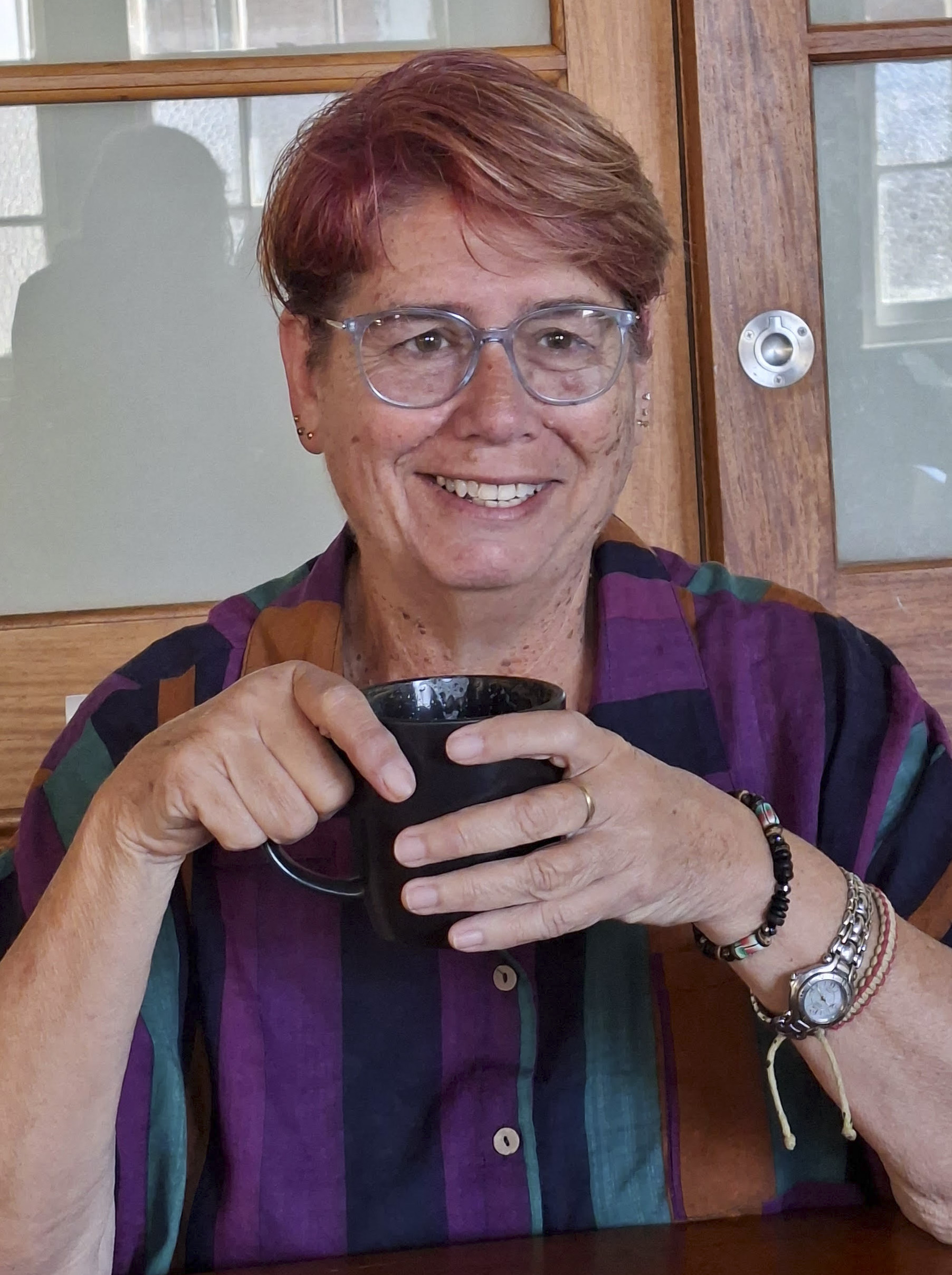
Maggie Walters is an author, speaker and mental health advocate whose work explores trauma, identity, motherhood and healing. Her first memoir, SPLIT: A Life Shared, Living with Multiple Personality Disorder, offers an honest account of living with multiplicity and complex trauma. Her second memoir, Fractured Motherhood, explores adoption, motherhood, intergenerational trauma and the possibility of breaking cycles of harm. Maggie is passionate about changing the narrative around mental health and creating conversations grounded in curiosity, compassion and lived experience. Growing up in the United States, she has called Australia home since 1996 and lives in the Northern Rivers, NSW.



Looks very interesting
Susanne, it really is! I highly recommend reading Maggie’s memoir.
Hi Maggie, I fully relate to your decision making re your memoirs. My first memoir, Pumpkin, published by Ginninderra Press, in 2019, was written for my grandchildren so they’d know what it was like, sociologically and culturally, for their Nan, as a young woman, between 1944-1984. I, too adopted a son when I was thirty and had my daughter in 1984 at forty. A couple of grandsons read Pumpkin from cover to cover. I suspect my daughter dipped in and out of it and my son said, ‘Not yet, Mum. Later.’
My second memoir, ‘The Steering Wheel,’ published in 2015, (also e-book and audio) is a very different book, one I thought I’d never have the courage to write. I came out of a coercive controlled marriage. The children and I survived so before I wrote it, I contacted the children’s father and asked if he needed to read what I was writing. While I’d be writing my story, not his, he’d be in a good part of it. He said, ‘I don’t want to know anything about it and I don’t want to read it.’ His reaction was gold for a writer. I felt I had more freedom to write. Even so, I took care. I changed his name and the name of some others. I definitely did not put in photos. That would’ve been inappropriate, whereas my first memoir I included plenty of photos. I’m hanging by my finger nails right now, because The Steering Wheel has just been shortlisted by the Society of Women Writers, Biennial, 2026. Writing a lived experience is tough and, as a fellow writer, I admire your courage. All strength to you. Cheers Caroline Anne Butt
Caroline Anne, thank you for sharing your own writing subjects and processes here. Huge congratulations on your shortlist, very happy for you!
Yes Anne, it takes enormous courage to write trauma with honesty and clarity, as you have done with The Steering Wheel and as Maggie has done with both her memoirs. Fingers crossed for the shortlist!
Congrats on the short list Caroline! That is so exciting! Writing honestly about those tough places in our lives can be so cathartic, but it is so exposing at the same time! You do develop a bit of a thick skin … and like you said, it’s your story. My boys especially haven’t read it yet, but that’s okay. Like yours … they’ll find their way back to it when the time is right for them. Again, congrats on the short list! that is fantastic! xo